


Introduction :
Can Iron Deficiency Cause Anxiety?Some women experience fatigue, dizziness, heart palpitations, and anxious feelings when iron levels run low. When Your Body Feels Anxious but Your Mind Isn’t_ And this is not uncommon for women.
They wake up feeling exhausted even though they have slept the whole night. Their heart beats without any apparent reason. Small things become daunting undertakings. Focus dwindles. Feelings are closer to the surface of their skin than usual. Finally, someone mentions the word ‘anxiety’.
Sometimes this diagnosis is right.
“But sometimes it’s not the whole truth.”
Can Iron Deficiency Cause Anxiety?
Iron deficiency is a widespread dietary problem among women that is often underestimated. What is particularly difficult about iron deficiency is that sometimes it may produce symptoms that can be almost indistinguishable from those of an anxiety attack even when there is no trauma or stress associated with it.
“The Human Aura—Its Making and Meaning,” by William Dyer Warner, examines this nexus in great detail—no hyperbole here, no scare-mongering or taking the easy way out. If you’ve ever felt a sense of anxiety in your body that you couldn’t explain, this could very well throw light on what’s going on beneath the surface.
Looking for more natural support? Read our guide on Natural Ways to Balance Hormones in Women (Simple Lifestyle Tips That Work) .Why Iron Is a More Significant Factor Than Most People Think
It is primarily a metal associated with the blood. However, its relevance is more profound.
Iron Requirement
- Transport oxygen to the brain and muscle tissues
- Support energy production inside cells
- Maintain a well-functioning nervous system
- Sustaining normal heart rhythm
“The body does not silently adjust when iron levels are low. Instead, it compensates. The heart beats with increased speed. Respiration becomes shallow. The nervous system becomes more alert.”
These are not emotions. These are biological survival functions. Unfortunately, they feel very much like feelings of anxiety.
Why Iron Deficiency Might Be a More Common Problem in Women than Men
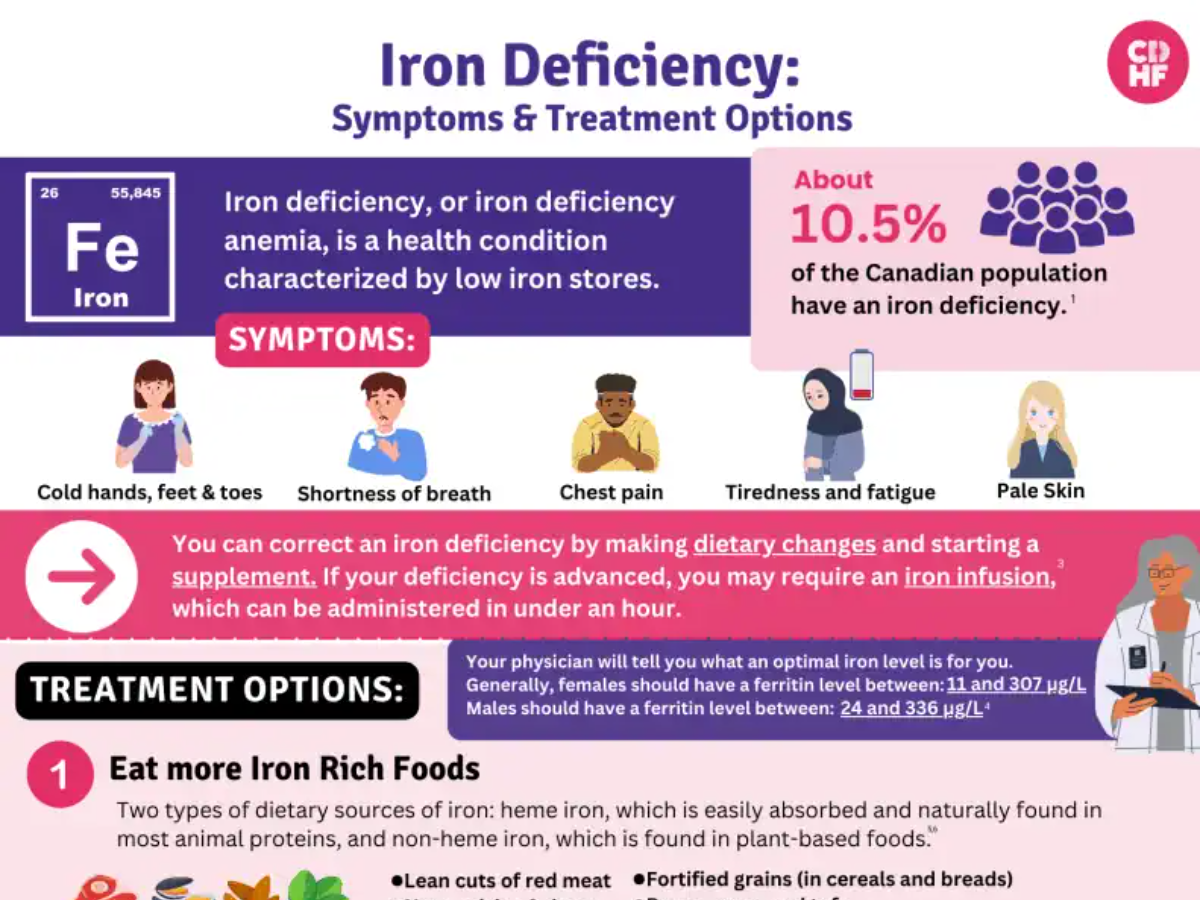
Can iron deficiency cause anxiety? Research suggests low iron may contribute to symptoms that can overlap with anxiety in some women. Iron deficiency does not normally occur immediately. For females, it takes place gradually, making it very easy for it to be overlooked.
Menstrual Blood Loss
Even normal menses involve iron loss. Over time, this iron loss can steadily deplete iron levels in the body, especially in cases of heavy or prolonged menstruation.
Pregnancy and Postpartum Depletion
The level of iron requirements is elevated during pregnancy. Probably, most women fail to replenish their stores fully after giving birth even after a number of years.
Restrictive or Low-Calorie Di
Dieting, meal skipping, or iron-rich diet avoidance may occasionally contribute.
Absorption Issues
Digestive issues, chronic inflammation in the body, or excessive antacid intake can prevent iron from being absorbed when dietary intake appears to be adequate.
Since these issues are universal and progressive, they often end up being attributed to stress or psychological issues among other factors.
For emotional wellness support, read our guide on Promoting Women’s Empowerment: A Journey Towards Mental Health and Wellness .How Low Iron Can Trigger Anxiety-Like Symptoms
As iron concentration diminishes, oxygen transport becomes reduced. The brain is remarkably reactive to alterations in oxygen supply. It responds rapidly – and protectively.
“This reaction consists of:”
- Rapid pulse
- Increased respiratory rate
- Increased activity in the nervous system
- Restlessness and unease
From the outside or from the inside, this is what it feels like to be anxious. But it is not motivated by anxiety or fear. It is motivated by physiology.
Pro Tip: Low iron can sometimes mimic anxiety symptoms such as palpitations, restlessness, and brain fog. Tracking symptoms alongside lab testing may help identify patterns.
Symptoms associated with Iron Deficiency that are Often Misinterpreted as Anxious Symptoms
The constant sense of restlessness
Women have described a feeling of not being able to unwind even when things are calm. Such thoughts have been associated with anxious thinking, but the body might be reacting to insufficient oxygen.
Cardiac Palpitations in Absence of Emotional
When an individual experiences palpitations felt during resting and/or performing simple tasks, it may be iron deficiency, not necessarily an episode of panic.
Difficulty Breathing (Shortness of breath)
“Feeling air hungry” can be frightening and is often a misinterpretation of feelings associated with anxiety-related breathing difficulties.
Brain Fog and Issues with Concentration
A deficiency of iron results in impaired functioning of the neurotransmitters, which causes a person to feel as though their thinking processes.
Deep, Physical Fatigue
The tiredness is so physical and dense. Sleep does not relieve this tiredness. The lack of energy can accentuate problems of emotional disturbance.
Body Language Symptoms of Anxiety Are Not Sufficient
Anxiety does not usually cause:
- Visible thinning or shedding of hair
- Pale or ashen skin
- Dry or brittle nails
- Cold hands and feet during mild climatic conditions
- Headaches
“If emotional symptoms occur in addition to these physical signs, iron deficiency becomes a likely consideration.”
Pro Tip: Symptoms like fatigue, hair shedding, dizziness, and anxiety are often dismissed as stress. If symptoms persist, ask your doctor about iron studies, including ferritin—not just hemoglobin.
Why Iron Deficiency Is So Often Missed
Iron deficiency often remains unnoticed due to several reasons:
- Symptoms occur gradually
- Women are supposed to feel tired
- Blood tests may only concern hemoglobin
- Low ferritin (iron storage) is not considered
- Mental health theories start off
Many women have been assured that their test results are normal even when they have low enough ferritin levels to produce symptoms.
The Tests That Matter Most
In case there is a possibility of iron deficiency, the following tests give a clear indication:
- Hemoglobin
- Serum ferritin (most critical)
- Serum
- Total iron-binding capacity (TIBC)
Ferritin is an iron store indicator. It may remain low even before anemia occurs.
Iron Deficiency vs. Anxiety: How To Distinguish Between Them
| Aspect | Iron Deficiency | Anxiety |
|---|---|---|
| Fatigue | Constant, physical | Mental, fluctuating |
| Palpitations | Often activity-related | Triggered by stress |
| Brain fog | Persistent | Situational |
| Physical signs | Hair, skin, nails | Usually absent |
| Response to iron | Improves | No change |
Both conditions may co-occur, although addressing the iron deficiency can be helpful in alleviating the symptoms associated with anxiety.
Replicating Iron Regeneration Naturally

Iron-Rich Foods
- Split peas, chick
- Spinach and leafy veggies
- Red meat (Moderation)
- Eggs
- Pumpkin and sesame seeds
- Dates and dry fruits
Improving Absorption
- Combine iron-rich foods with vitamin C-rich foods
- Avoid having tea or coffee after meals
- Ate regular balanced meals
If diet changes are made gradually, it will show results.
About Iron Supplements: A Careful Approach
Iron supplements are not harmless vitamins either. They should only be eaten after testing and with caution.
Overconsumption of iron might overwork the liver and irritate the intestines. A healthcare professional can offer guidance on:
- Correct dosage
- Duration
- Best Form of Tolerance
- Do not self-supplement long term without direction.
When to Seek Help: Severe fatigue, chest pain, shortness of breath, or worsening anxiety symptoms deserve prompt medical evaluation.
What Women May Notice When Iron Deficiency Corrected
Women report subtle but significant changes as follows:
Relatively less random heartbeat
- Enhanced
- Stable energy
- Enhanced quality of
- Emotional
Such advancements cannot be seen as if anxiety was somehow “imagined.” It is now clear that the body was not under physical stress.
Pro Tip: Pair iron-rich foods with vitamin C sources like citrus or bell peppers to support absorption, and avoid tea or coffee around iron-rich meals.
Conclusion: The Importance of Listening Without Blaming Yourself
Anxiety is not a sign of weakness.
Tiredness has nothing to do with laziness.
Sometimes what a body needs is just what it has been denied for a very long time. In women, iron insufficiency is extremely prevalent, real, and treatable. Women may discover that their emotional balance naturally returns when they take care of their physical health.
Checking your iron levels could be one of the most compassionate things you can do for yourself if your worry is physical rather than emotional.
References
FAQ
❓ Can iron deficiency really feel like anxiety?
Yes. Iron deficiency can cause symptoms such as rapid heartbeat, shortness of breath, dizziness, restlessness, and brain fog—many of which closely resemble anxiety or panic attacks.
❓ Why is iron deficiency common in women?
Women lose iron through menstruation, pregnancy, breastfeeding, and sometimes restrictive diets. These factors significantly increase the risk of low iron levels.
❓ How can I tell the difference between anxiety and iron deficiency?
Anxiety is psychological, while iron deficiency is physical. If symptoms persist despite stress management—or include extreme fatigue, pale skin, or hair loss—a blood test is essential.
❓ What blood test confirms iron deficiency?
A ferritin test is the most accurate indicator of iron stores. Hemoglobin alone may appear normal in early deficiency.
❓ Can iron deficiency cause panic attacks?
Yes. Low iron reduces oxygen delivery to the brain, which can trigger panic-like symptoms such as chest tightness, rapid breathing, and fear sensations.
