



Natural Ways to Balance Hormones in Women
Natural ways to balance hormones in women are important for improving overall health, energy levels and emotional well-being. A bunch of women suffer from hormonal imbalances due to stress, diet and lifestyle factors.
Hormones affect almost everything in a woman’s body , body from mood and energy to weight sleep and even skin health. When hormones are out of balance life can seem frustrating and unpredictable.
And oh yeah a bunch of women don’t even realize that their symptoms are related to a hormonal imbalance until it begins to affect their daily life. The good news is that small lifestyle changes can help your body recover naturally.
In this article we explore simple natural ways to support hormonal health in everyday life.
Science-backed lifestyle habits can support long-term hormonal balance in women. The guide provides women with practical strategies to maintain their hormonal wellbeing through safe and effective methods.
Women need hormonal balance because hormones regulate essential body functions, including metabolism, emotional stability, reproductive health, digestion, sleep cycles, skin health, and energy levels.
When hormones function optimally, women often experience better overall physical and emotional well-being. The body begins to show warning signs when hormonal levels become unbalanced. The condition manifests through symptoms which include irregular menstrual cycles and painful cramps and mood swings and unexplained weight gain and acne and fatigue and hair thinning and anxiety and difficulty sleeping.
Modern lifestyle elements which include ongoing stress and inadequate sleep and consumption of processed foods and exposure to environmental toxins lead to gradual development of hormonal imbalance. People can use natural approaches to achieve hormonal balance before they need to start taking strong prescription medications. With consistency and patience, healthy daily habits can support the body’s natural ability to restore balance.
Hormonal imbalance is very common today due to stress, poor sleep, processed foods, and busy routines. Conditions like Polycystic Ovary Syndrome can make this imbalance even more noticeable, especially when it comes to weight gain, mood swings, and irregular cycles.
Women experiencing hormonal shifts after childbirth may also benefit from reading our detailed guide on Postpartum Recovery: Healing Week by Week .Why is hormonal balance important?
Hormones act as messengers in the body. And oh yeah It regulates metabolism reproductive health energy levels and emotional well-being.
When you’re balanced you feel more energetic focused and emotionally stable. But when this isn’t the case even simple daily tasks can seem overwhelming.
Hormonal Imbalance
A condition of hormonal imbalance usually occurs by one hormone being released in excess or insufficient amounts. A slight change in a tiny hormone level can make the situation very different, which is why the hormones are usually delicately balanced against one another.
These are the following hormones usually being involved into complications and imbalance of women:
- Estrogens
- Progesterone
- Insulin
- Cortisol
- Thyroid Hormones
When one hormone becomes imbalanced, it often affects the balance of other hormones as well.
Conditions such as Polycystic Ovary Syndrome (PCOS) are strongly linked to insulin resistance and hormonal disruption.🧠 Expert Insight
Endocrine specialists emphasize that hormones function as an interconnected system. When one hormone becomes imbalanced—such as insulin or cortisol—it can trigger a cascade effect that disrupts estrogen, progesterone, and thyroid hormones. Supporting overall metabolic and stress health is often more effective than focusing on just one hormone in isolation.
Common Sources of Hormonal Imbalance in Women
Hormonal imbalance usually develops gradually over time. Daily habits and environmental factors can significantly influence how hormones are produced, regulated, and eliminated in the body.
Common causes of hormonal imbalance include:
- Chronic emotional stress
- Irregular or insufficient sleep
- Sugar, refined carbohydrate, or processed food consumption
- Nutritional deficiencies
- Inactive lifestyle or too much athleticism
- Exposure to hormone-disrupting chemicals such as BPA (Bisphenol-A)
- Long-term use of certain medications
Signs of Hormonal Imbalance
By and large, women will consider such symptoms “normal,” though they are signs of hormonal disruption:
- Abnormal or absent or sometimes very painful periods
- Mood changes, including irritability, low energy, anxiety, or depression
- Gaining weight in the abdomen area
- Acne, oily skin, or thinning hair
- Low energy, tiredness throughout the day
- Poor sleep or trouble falling asleep
- Reduced libido
Presence of more than a few of these symptoms regularly indicates the need for some help with hormones.
Daily Food Consumed
Among all natural strategies for hormonal balance, nutrition plays one of the most important roles. Every meal influences key hormones such as insulin, estrogen, progesterone, and cortisol.
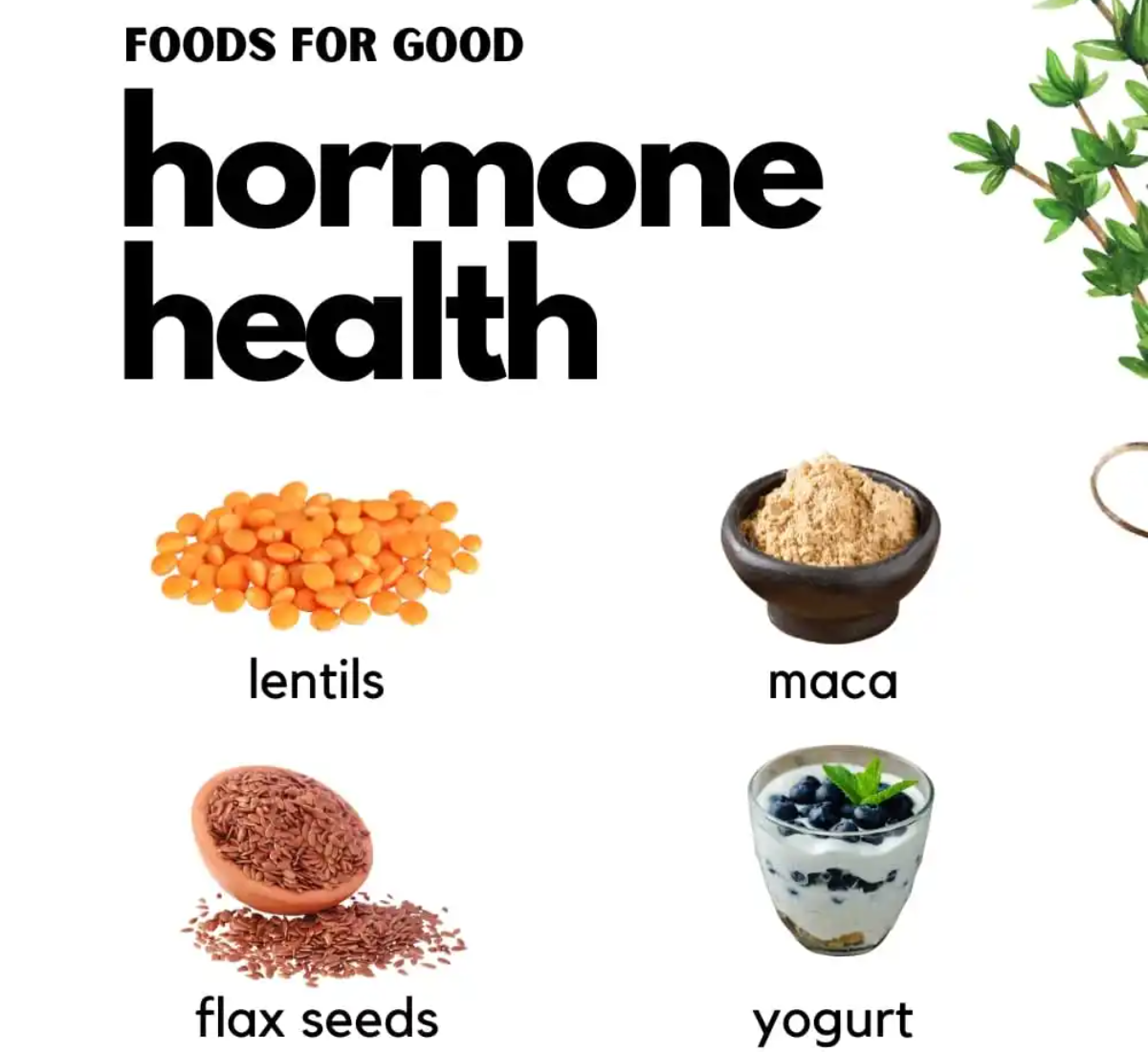
Best Foods for Hormonal Health

- Greens such as spinach, kale, and fenugreek
- Healthy fats can be found in nuts, seeds, avocados, and olive oil.
- Whole grains provide a reasonable blood sugar level
- Seasonal fruits and vegetables
Healthy fats are essential because many hormones are synthesized from cholesterol. Without adequate intake of healthy fats, hormone production may become compromised. Including sources such as olive oil, nuts, seeds, and avocados supports optimal hormonal function.
Balance Sugar in Blood to Support Hormones
Blood sugar imbalance is one of the most overlooked factors contributing to hormonal disorders.
How to Stabilize Blood Sugar:
- Eat meals balanced with protein, fiber, and fat
- Skip meals
- Cut back on sugar-laden snacks and sweet drinks
- Consume whole foods rather than packaged goods
Stable blood sugar helps regulate insulin, estrogen, and cortisol, reducing mood swings, cravings, and fatigue.
Did You Know? Even small daily habits—like sleeping one hour earlier or reducing added sugar—can influence cortisol and insulin levels within just a few weeks, gradually supporting better hormonal balance.
Stress Reduction for Protection of Your Hormones
Chronic stress plays a significant role in hormonal imbalance. When the body is under constant stress, cortisol levels remain elevated. Over time, high cortisol can interfere with estrogen and progesterone production, disrupt menstrual cycles, affect sleep quality, and contribute to weight gain and fatigue.
Simple Stress Reduction Practices:
- Deep breathing for about five to ten minutes a day
- Writing down one’s thoughts and emotions
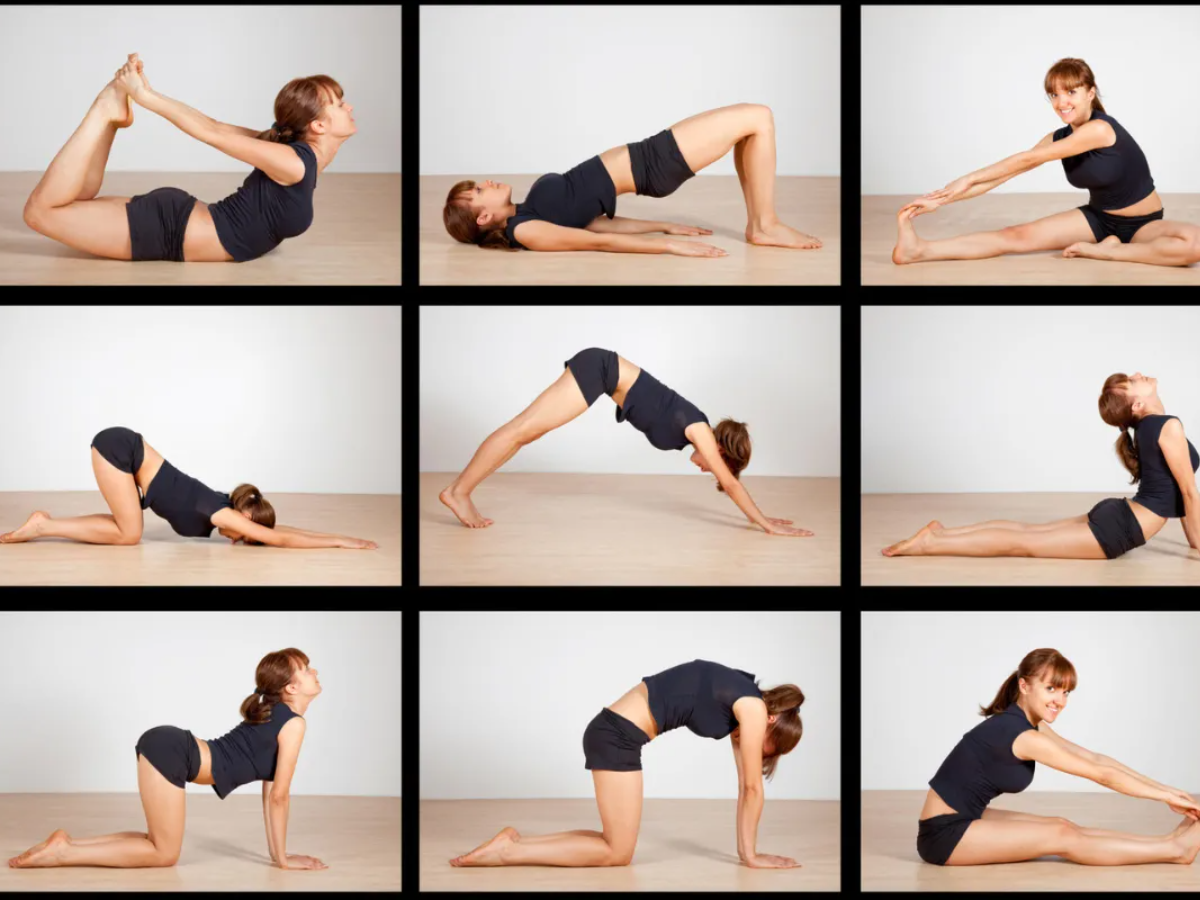
- Gentle yoga or stretching
- Spending time in nature
- Less screen time and social media overload
These practices can also improve sleep quality, digestion, and menstrual regularity.
Keep Quality Sleep under Control to Balance Hormones
The body repairs and regulates hormone levels during sleep. Poor sleep disrupts this process and can elevate cortisol levels, which may interfere with insulin, melatonin, and reproductive hormones.
Natural ways for women to balance their hormones is important for long-term health and energy levels. A bunch of WOMEN are looking for natural ways to balance their hormones in women because hormonal imbalances affect mood weight and sleep. And oh yeah Natural ways to balance hormones in women include simple lifestyle changes such as diet sleep and stress management.
Helpful Sleep Tips for Women:
- Sleep before 11 PM,
- Before going to bed, avoid using screens for at least an hour,
- Maintain a pattern of the ritual sleeping activity,
- Build good evening routine (warm shower, reading, herbal tea)
Quality sleep supports healthy regulation of melatonin, insulin, cortisol, and reproductive hormones.
Rightful Exercise for Woman Hormones
Exercise is essential for hormonal health. However, excessive high-intensity training may worsen hormonal imbalance in some women, especially when combined with stress and inadequate recovery.
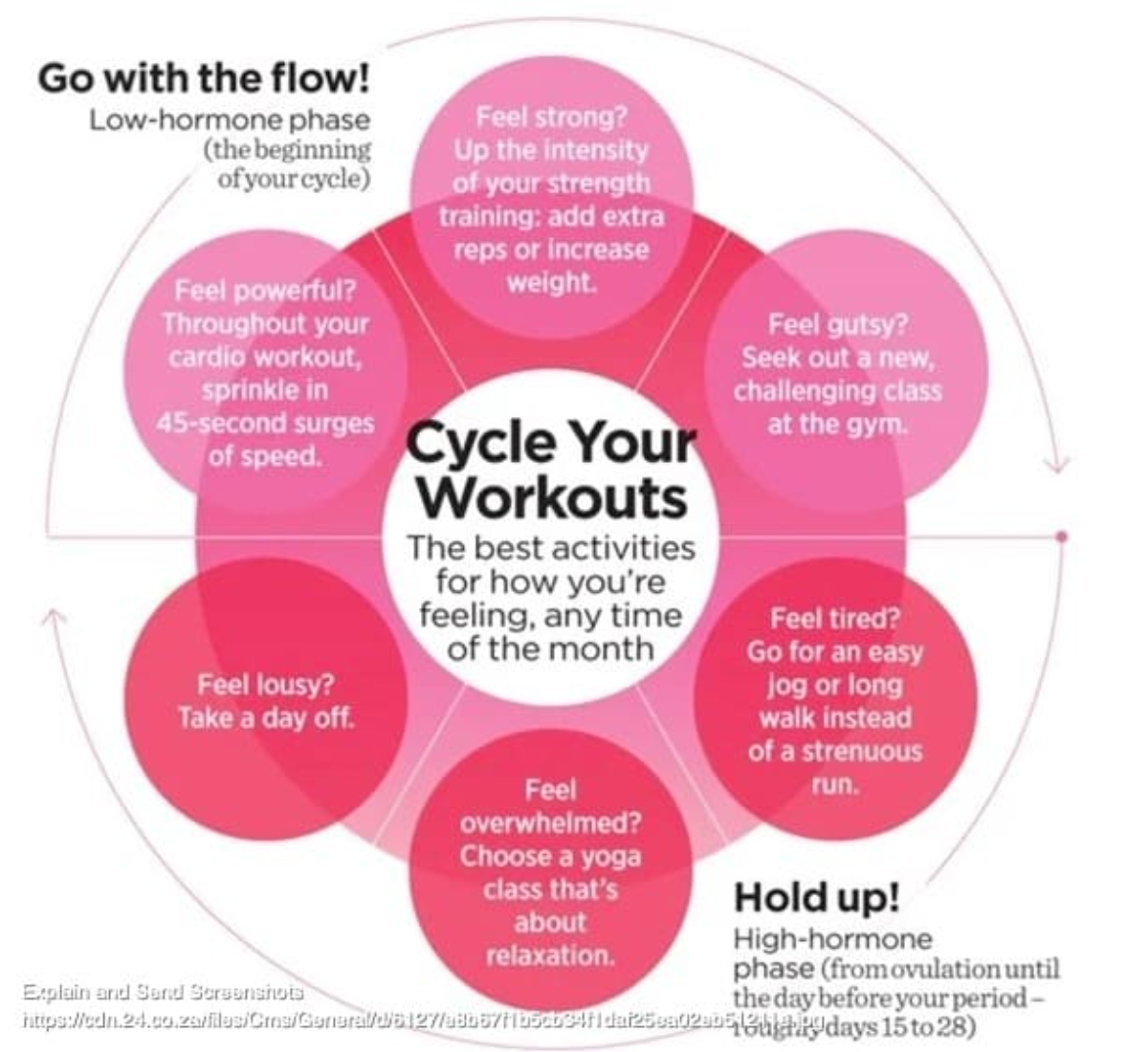
Best Exercises for Hormonal Health:
- Walking
- Yoga
- Pilates
- Light strength training
Stretching is very effective for improving circulation and insulin sensitivity while enhancing mood, without overtraining the body.
Support Gut Health for Hormonal Balance
The gut plays a crucial role in detoxifying and eliminating excess hormones, particularly estrogen. Poor gut health may contribute to hormonal imbalances over time.
Ways to Improve Gut Health:
- High in fiber-rich foods
- Probiotics and fermented foods
- Drink enough water
- Less processed foods
A healthy gut supports efficient elimination of excess hormones from the body.
Avoid Hormone-Disrupting Chemicals
Many everyday products contain chemicals that can mimic estrogen in the body and disrupt hormonal balance.
Very Easy Ways to Reduce Toxins:
- Never use plastic containers for food.
- Natural skin care and cosmetics products.
- Thoroughly wash fruits and vegetables.
- Restriction of intake of packaged and processed food.
Reducing exposure to hormone-disrupting chemicals can significantly lower hormonal stress over time.
🌿 Pro Tip for Faster Hormone Balance
Consistency matters more than perfection. Instead of trying to change everything at once, focus on improving just three core habits: balanced meals, quality sleep before 11 PM, and daily stress reduction. Even small improvements in these areas can significantly lower cortisol levels and support estrogen and progesterone balance within 2–3 menstrual cycles.
How Long for Hormones to Fix Itself Normally?
Hormonal balance does not happen overnight. Most women begin to notice improvements within two to three months, depending on the consistency of lifestyle changes. Some symptoms take longer to improve than others, but patience and consistency are key.
When to Seek the Advice of a Doctor
While lifestyle changes can be effective, medical evaluation is recommended if you experience:
- Missed periods for several months
- Bleeding very heavily
- Having pain that is very severe or not letting up
- Worsening of symptoms despite lifestyle changes
⚠ Warning Signs You Should Not Ignore
Seek medical evaluation if you experience sudden weight changes, persistent missed periods, severe pelvic pain, unusual hair loss, or extreme fatigue that does not improve with lifestyle changes. These symptoms may indicate underlying thyroid disorders, PCOS, or other endocrine conditions that require professional assessment.
Sometimes even when you try your best your body doesn’t react , react the way you expect it to. You may eat better exercise more and still feel tired bloated or emotionally drained.
This doesn’t mean you’re doing something wrong it often just means your HORMONES need more time and balance.
Take Control of Your Hormonal Health
Your body communicates through symptoms—it is not working against you.
By supporting your hormones naturally, you can restore steady energy, emotional balance, regular cycles, and long-term overall well-being.
These natural ways to balance hormones in women can help support long-term hormonal health without strict or extreme changes. Look for more on women’s health guides in healthyfemy.com and discover how to launch your journey towards hormonal balance.
External Sources & Medical References
This article is based on evidence-based health information from trusted medical organizations:
-
Office on Women’s Health (U.S. Department of Health & Human Services)
https://www.womenshealth.gov/menstrual-cycle -
Cleveland Clinic – Cortisol & Stress
https://my.clevelandclinic.org/health/articles/22187-cortisol -
Harvard Health – How Sleep Affects Hormones
https://www.health.harvard.edu/staying-healthy/how-sleep-affects-hormones -
NHS (UK) – Irregular Periods
https://www.nhs.uk/conditions/irregular-periods/
Note: This article is for educational purposes only and does not replace professional medical advice. Always consult a qualified healthcare provider for diagnosis and treatment.
Final Conclusion
Balancing your hormones isn’t about quick fixes or strict rules. You know what? guess? Seriously, its about , about creating a healthy and beneficial lifestyle that supports the body every day.
You know what? guess? Seriously, Small, consistent changes to your stress levels in diet, sleep, and exercise can slowly rebalance your hormones and improve your overall health.
FAQs – Natural Hormone Balance in Women
❓ Can hormones really be balanced naturally?
Yes. Many women successfully balance hormones through diet, stress management, sleep, and lifestyle changes.
❓ What is the biggest cause of hormonal imbalance?
Chronic stress combined with poor sleep and diet is one of the most common causes,
❓ How long does it take to see results?
Most women notice improvements within 2–3 menstrual cycles with consistency.
❓ Does sleep affect female hormones?
Absolutely. Poor sleep disrupts cortisol, insulin, and reproductive hormones.
About the Author & Medical Disclaimer
Written by Jennyjee – Health & Wellness Writer
Jennyjee focuses on evidence-based women’s health, hormonal wellness, and lifestyle medicine. Her content is designed to provide clear, practical, and research-informed guidance to support long-term well-being at every stage of life.
Medical Disclaimer:
This article is for educational and informational purposes only. It is not intended to replace professional medical advice, diagnosis, or treatment. The information provided is based on publicly available health resources and general medical guidance. Always consult a qualified healthcare provider before making changes to your diet, exercise routine, or treatment plan.

2 Comments
I do not even know how I ended up here, but I thought this post was great.
I do not know who you are but certainly you’re going to
a famous blogger if you are not already 😉 Cheers!
Thanks for appreciation