

So, you’ve been told you have PCOS. Maybe it came with a side of confusion, frustration, or even a little relief . And now, on top of all the hormone chaos—you’re supposed to completely revamp your eating habits?
Let’s slow it down.
You don’t need a perfect plan; instead, you need a doable one. For example, it doesn’t have to involve spirulina powder you’ve never heard of or a pantry full of foods that taste like cardboard. Instead, focus on a strategy that allows you to improve your well-being while still enjoying your meals. Moreover, it can be satisfying without draining the pleasure from dining.
Next, we’re going to talk about food—real food. Specifically, the kind that helps calm your symptoms without turning every meal into a math equation.
Why PCOS Causes Irregular Periods (Symptoms, Diagnosis & Solutions)🍳 First Off: Why Does Diet Even Matter with PCOS?
It’s important to remember that PCOS isn’t just about your ovaries; in fact, it’s deeply connected to hormones like insulin and impacts far more than just your cycle. For example, it can lead to energy crashes, stubborn weight gain, breakouts, anxiety, and intense cravings. Therefore, managing PCOS often requires more than just tracking your period. However, the good news is that the foods you choose can either help calm the hormonal chaos or, if you’re not careful, make it worse. Consequently, making mindful dietary choices becomes a powerful tool for restoring balance. Ultimately, you’re not “fixing” PCOS with food, but you can make your body a gentler place to live in.
Getting to Know PCOS: What’s Behind It and How It’s Diagnosed✅ What to Eat (Your Hormones Will Thank You)
Alright, here’s the stuff that actually helps. No fluff. No one-size-fits-all BS. Just honest fuel.
🥦 Fiber-Rich Veggies
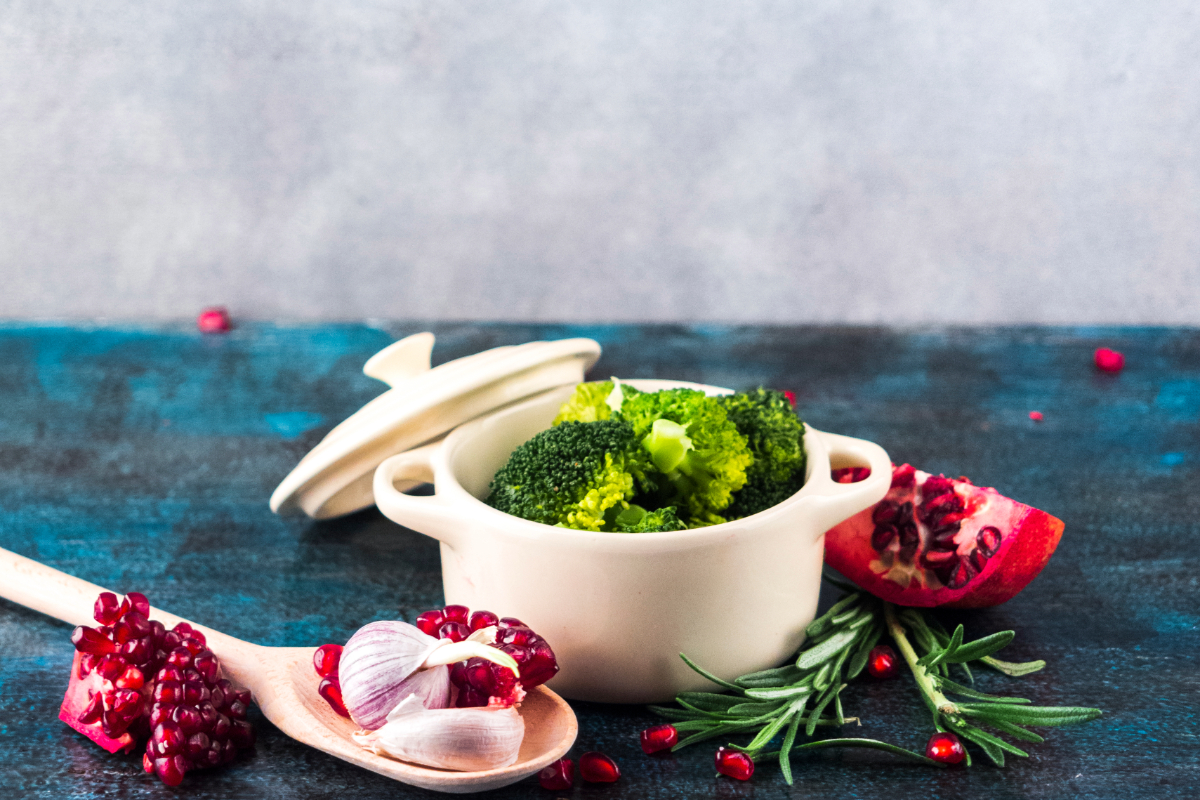
Think leafy greens, broccoli, zucchini, cauliflower, and bell peppers. In addition, fiber helps keep your gut (aka your second brain) happy, slows digestion, and helps maintain steady blood sugar levels. You don’t need to eat like a rabbit—roast them, toss them in olive oil, or even hide them in sauces. Either way, it all counts and contributes to better PCOS management.
🫐 Low-Glycemic Fruits
- “To avoid those sugar crashes, the trick is to pair your fruit with some protein or healthy fat—like apple slices with almond butter or a handful of berries with Greek yogurt.”
🥑 Healthy Fats
Nuts, seeds, avocados, olive oil, and fatty fish like salmon are all useful. They help fight inflammation and keep your hormones humming along.
Don’t fear fat. Fear the ultra-processed junk that messes with your gut and your mood.
🍗 Lean Protein
Chicken, turkey, eggs, tofu, and lentils—these are the foods that keep you full and also help slow down carb absorption. Additionally, protein can help keep those 3 p.m. cravings at bay, especially during your luteal phase if you’re tracking your cycle. Furthermore, including lean protein in each meal supports steady energy levels and better hormone balance throughout the day.
🍚 Slow Carbs (Not No Carbs)
Quinoa, brown rice, oats, and sweet potatoes—they’re not the enemy. In fact, ditching carbs entirely can backfire for PCOS. Therefore, it’s important to focus on the type of carbs you eat. Specifically, what matters is how quickly a carb turns into sugar in your body. Slower-digesting carbs, like the ones mentioned, are better because they help maintain steady blood sugar levels and support hormone balance.
🚫 What to Cut Back On (We’re Not Saying Never—Just Less)
Look, you don’t have to banish every food that ever made you happy. But some things do make PCOS symptoms worse, especially if they’re a regular part of your life.
🧁 Refined Sugar
It’s the sneaky villain. Shows up in everything from yogurt to salad dressing. And sugar spikes = insulin spikes = hormone chaos.
Start small. Cut back, don’t go cold turkey (unless you like headaches and mood swings).
🍞 Refined Carbs
White bread, white pasta, pastries—your body burns through these fast, and the insulin rollercoaster that follows? Not ideal.
If it’s white and fluffy and melts in your mouth… yeah, probably not your best friend.
🧂 Ultra-Processed Foods
Think: chips, frozen meals, boxed snacks with a paragraph of ingredients. They often have weird oils and additives that stir up inflammation.
Real food doesn’t need a commercial. If it grows, runs, swims, or you can pronounce it—you’re good.
🍷 Too Much Caffeine & Alcohol
Now now, don’t shoot the messenger. A cup of coffee? Fine. A glass of wine here and there? Live your life.
“However, relying on energy drinks or unwinding with nightly cocktails can disrupt cortisol levels, blood sugar, and sleep—all major factors in managing PCOS.”
😵💫 what if you’re feeling completely overwhelmed?”
That’s normal. You’re not lazy or failing if this feels like a lot. The wellness world makes it seem like you’ve gotta become a clean-eating goddess overnight or nothing counts.
Ignore that noise.
Start small. Add in fiber. Swap one snackThis week, prepare one more dinner at home than you did last week. Keep doing that, and your body will notice.
🍽️ A Totally Chill Sample Day (No Meal Prep Sundays Required)
- Breakfast: Scrambled eggs with spinach and feta, slice of seeded toast, half an avocado
- Snack: Handful of almonds + a clementine
- Lunch: Quinoa bowl with grilled chicken, roasted veggies, tahini drizzle
- Snack: Greek yogurt with a few berries
- Dinner: Baked salmon, sweet potato wedges, garlicky green beans
- Dessert (if you want one): Square of dark chocolate or a date stuffed with almond butter
💬 Final Thoughts (The Unfiltered Kind)
PCOS can be frustrating, and you didn’t ask for it, nor did you cause it. However, rather than working against your body, you can choose to work with it. For instance, instead of cutting out everything you love or punishing yourself with bland salads, try to be curious and experiment with what makes you feel good. In addition, pay attention to how food affects you not just physically, but also emotionally. Moreover, allow yourself to enjoy meals without guilt. After all, this isn’t about being “perfect.” Therefore, focus on small, consistent steps, and gradually, you’ll feel more like yourself again—one meal, one choice, one day at a time.
- National Institutes of Health (NIH) – PCOS Overview: https://www.nichd.nih.gov/health/topics/pcos
- American College of Obstetricians and Gynecologists (ACOG) – PCOS FAQs: https://www.acog.org/womens-health/faqs/polycystic-ovary-syndrome-pcos
- Mayo Clinic – PCOS Diagnosis, Treatment & Diet Tips: https://www.mayoclinic.org/diseases-conditions/pcos/diagnosis-treatment/drc-203534
FAQS
Do I need a perfect diet to follow a PCOS diet plan?
Absolutely not. First of all, perfection isn’t the goal. The PCOS diet plan is about balance and consistency—not chasing flawless meals. Over time, even small, steady improvements can lead to real results.
Which foods should I avoid on a PCOS diet plan?
On the other hand try to limit:
Refined carbs (white bread, pasta)
Sugary snacks and sodas
Deep-fried or heavily processed foods
These foods often worsen insulin resistance and increase inflammation, which can aggravate PCOS symptoms.Is dairy allowed on a PCOS diet?
In short, it depends on your body. For example, some women with PCOS notice better digestion and clearer skin when they cut back on dairy. On the other hand, others tolerate it without issue. Therefore, it’s best to monitor your body’s response and adjust accordingly.
Do I need to eliminate carbs completely?
Not at all. While it’s important to choose wisely, carbs are still part of a healthy PCOS diet plan. Choose complex carbs like brown rice, lentils, and whole grains that digest slowly and help with blood sugar stability.
