


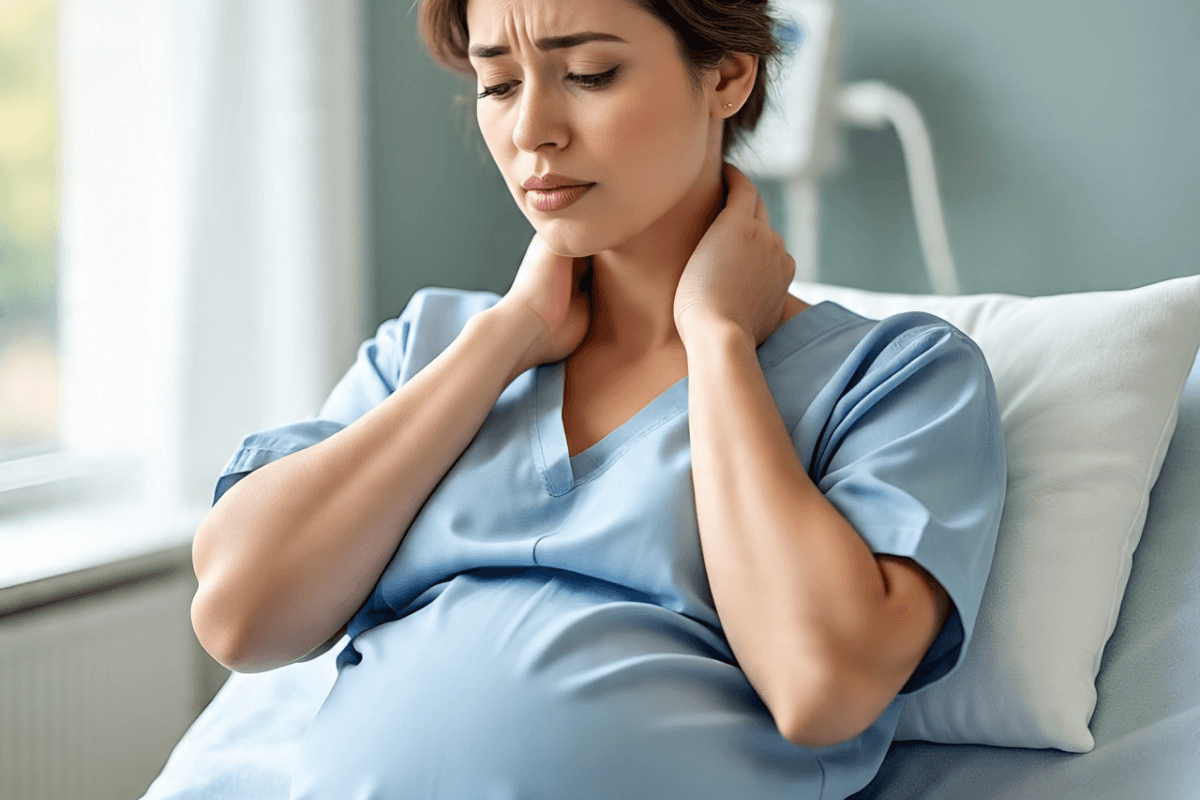
Hyperthyroidism in pregnancy is a medical condition where the thyroid gland produces excess hormones during pregnancy, increasing risks for both the mother and the developing baby. If left untreated, it may lead to complications such as preeclampsia, preterm birth, and fetal growth issues.
Things can rapidly get out of control when you mix the already stressful experience of pregnancy with a thyroid that is working a bit too quickly. Pregnancy-related issues might arise from hyperthyroidism, a condition in which the thyroid gland overproduces. for the mother and the child.
Let’s start by covering pregnancy-induced hyperthyroidism, encompassing its definition, importance, risks, and the steps to take if it arises during pregnancy.
What exactly is hyperthyroidism, then?
In summary, hyperthyroidism causes the thyroid gland, the butterfly-shaped organ in your neck, to become overactive. Triiodothyronine (T3) and thyroxine (T4), which regulate your heart rate, metabolism, and energy levels, are oversecreted by it.Being pregnant already gives your body energy. So it could be like looking for a ripple in a fast-flowing river. Weariness, a racing heart, or constant heat? Those could be typical signs of pregnancy. However, your thyroid may be acting strangely if you also suffer jitters, shakiness, bulging eyes, and weight loss (despite eating like a teenage guy).
Women experiencing hormonal imbalance during pregnancy may also benefit from understanding how stress impacts thyroid health, as explained in our detailed guide on thyroid and stress response.Internal Resource — Thyroid & Stress Response: To understand how stress affects thyroid function and how the thyroid responds to stress, see The Thyroid’s Reaction to Stress (and vice versa) .
The Leading Suspect?
An autoimmune disorder called Graves’ disease makes your body target your own thyroid, making it hyperactive. More than 85% of all occurrences of hyperthyroidism during pregnancy are caused by it.
The Importance of It During Pregnancy You may wonder, “If I’m fine, why should I worry?” Get ready for a shock: if left untreated or managed insufficiently, hyperthyroidism can have major consequences for the fetus and the expectant mother.
American Thyroid Association (Most Important): For trusted and authoritative information on thyroid function during pregnancy, including hyperthyroidism and thyroid management, see American Thyroid Association — Hyperthyroidism in Pregnancy .
Concerning the Mother

Preeclampsia: This pregnancy condition can result in organ damage and dangerously high blood pressure.
Heart problems: Your heart has to work harder when you have too much thyroid hormone, which can lead to arrhythmias or even heart failure.
Unfortunately, severe hyperthyroidism raises the chance of miscarriage and stillbirth. An very uncommon but potentially fatal condition, thyroid storm is characterized by abruptly worsening symptoms, such as a sharply elevated heart rate, a high fever, disorientation, and even coma.
For the infant:
Low birth weight: If the mother’s thyroid is out of balance, the baby won’t grow normally in the pregnancy.
Preterm delivery: When labor begins too soon, it can lead to a number of issues.
Fetal hyperthyroidism: The baby’s thyroid becomes hyperactive if Graves’ antibodies pass through the placenta.
You see what we did there? It is not a trivial matter.
How Do They Diagnose It?

This is where things turn nasty. It is easy to overlook hyperthyroidism at first since many of the early symptoms, such as anxiety, exhaustion, or heat intolerance, can be mistaken for typical pregnant symptoms.
Doctors usually utilize blood tests to figure out what’s going on.
According to the American Thyroid Association, untreated hyperthyroidism during pregnancy can increase the risk of preterm birth, low birth weight, and pregnancy-related complications.
Internal Resource — Thyroid Tests Explained: For a clear breakdown of what TSH, T3, and T4 actually indicate and how they’re used in diagnosis, see Thyroid Tests Explained: What TSH, T3, and T4 Actually Indicate .
In particular:
- TSH (thyroid stimulating hormone) is usually low in hyperthyroidism.
- Overactive thyroid illness is typically associated with high levels of free T4 and T3.
- Thyroid-stimulating immunoglobulin, or TRAb, aids in the confirmation of Graves’ illness.
Here’s the twist: In the first trimester, there is a natural increase in a hormone named hCG. It can even replicate TSH and drive the thyroid into mild overproduction. It’s known as gestational transient thyrotoxicosis—a lengthy name for a short-lived hormone hiccup. Usually innocuous, it disappears on its own. It needs to be separated from true hyperthyroidism, though.
Mayo Clinic – Hyperthyroidism Overview (High Trust): For a reliable, patient-friendly medical explanation of hyperthyroidism symptoms, causes, and clinical insights, see Mayo Clinic — Hyperthyroidism Overview .
Treatment: Striking the Balance
Manning hyperthyroidism in pregnancy is a matter of balance. You want to quiet down the thyroid, but you also must be extremely careful with medications—because, after all, there’s a baby on the line.
Internal Resource — Postpartum Thyroiditis Overview: For a comprehensive explanation of how hormones trigger postpartum thyroiditis, its symptoms, and treatment options, see Postpartum Thyroiditis: How Hormones Cause a Thyroid Storm .
- Anti-thyroid Drugs
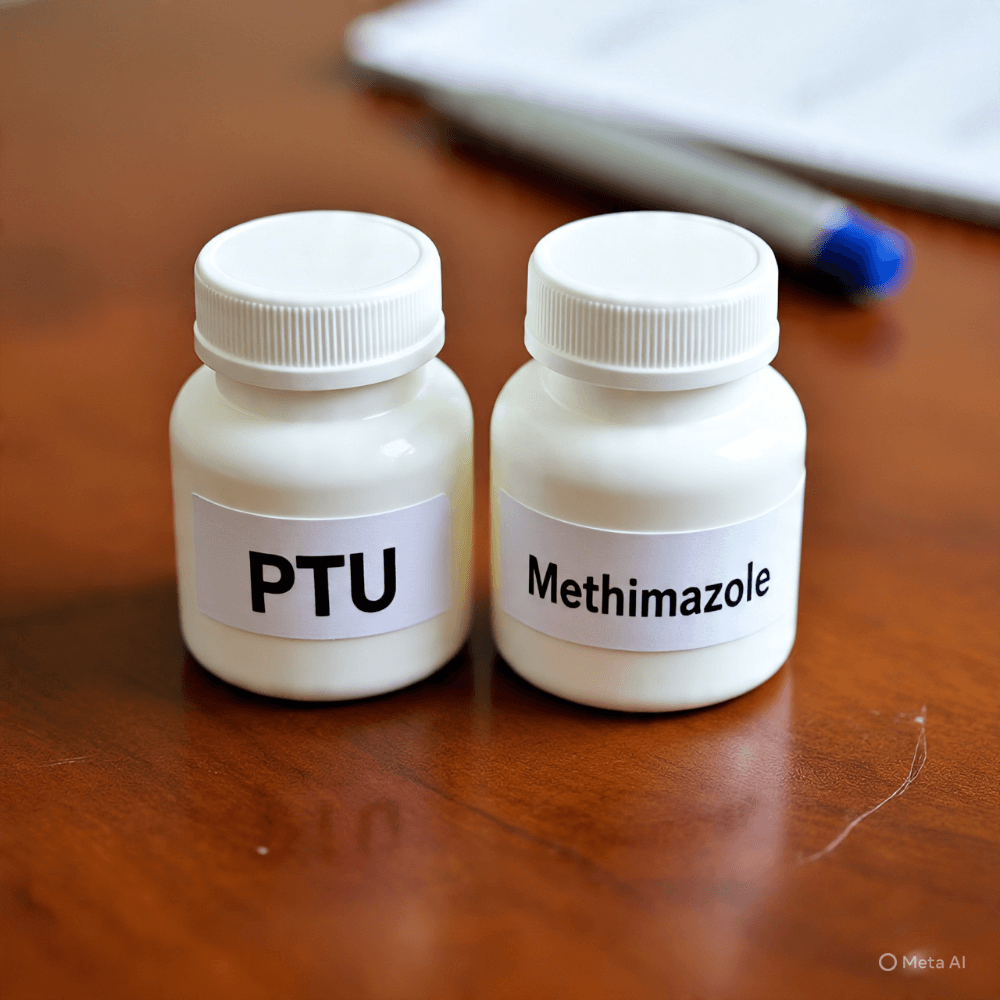
Thyroid hormone synthesis is slowed down by these medications. Propylthiouracil (PTU) is typically the recommended treatment during the first trimester. Compared to others, it has a marginally lower chance of causing birth abnormalities.
Because long-term PTU use can seriously harm the liver, doctors prefer to switch to methimazole (MMI) in the second and third trimesters.
Notably, there are hazards associated with these drugs, but the consequences of not treating hyperthyroidism are typically far worse.
- Blockers of beta
Propranolol is one of the short-term beta-blockers that may be used to alleviate burning anxiousness, palpitations, and a racing heart rate.
- Monitoring
This’s not a onetime event. Every four to six weeks, thyroid levels should be examined. Dosages can be altered during the pregnancy, based on how your hormone levels perform the tango.
Additionally, with Graves’ illness, clinicians can measure TRAb levels during the third trimester to determine whether the unborn child is also at risk for hyperthyroidism.
What If You Had Hyperthyroidism Before You Got Pregnant?
If you’ve already been living with hyperthyroidism and suddenly find yourself staring at two pink lines on a stick, the best move is to loop your endocrinologist in immediately. Thyroid function should ideally be steady prior to pregnancy.

Radioactive iodine treatment (a common option outside of pregnancy) is off the table—it’s dangerous to a developing fetus. Surgery? Only if it’s absolutely necessary, and typically only during the second trimester.
If you are currently taking medication, you may need to make a swift change. Your OB/GYN, endocrinologist, and perhaps even a high-risk maternal-fetal medicine specialist should be on the same page from the start.
Natural and supportive methods
Okay, just to completely clarify—hyperthyroidism during pregnancy needs to be treated with medication. But there are some supportive things that you can do in addition to it.
Be able to handle stress: Autoimmune reactions might worsen under stress. Try meditation, gentle yoga, or vigorous walks, or whatever soothes your nervous system.
Pay attention to what you eat: Avoid foods that are fortified with iodine, such seaweed, unless your doctor has instructed you otherwise. Excessive iodine can overstimulate the thyroid.
Sleep: Remember that sleep has the ability to heal. Your body is operating at full capacity.
Follow-up prenatal care: When hyperthyroidism is present, it is impossible to miss appointments.
What Takes Place Following Birth?
After giving delivery, most women find that everything balances out. However, postpartum thyroiditis, in which the thyroid initially becomes hyperactive and then turns underactive, will occasionally occur. After having delivery, your doctor probably closely monitor your levels, albeit this is uncertain.
Infants born to moms who suffer from Graves’ disease might also need closer monitoring, in addition. Pediatricians will be monitoring for signs of failure to thrive, irritability, or precocious tachycardia if maternal antibodies pass on and stimulate the infant’s thyroid.
NHS (UK) – Overactive Thyroid (Government Health Source): For a reliable, government-backed explanation of hyperthyroidism (overactive thyroid)—including causes, symptoms, and when to seek care—see NHS (UK) — Overactive Thyroid .
Last Thoughts:
Remain Proactive, Not Panicked Hyperthyroidism during pregnancy can be terrifying, and it is. However, early diagnosis, careful treatment, and a strong medical support network can reduce the risk. There are others around you. Don’t disregard those uncomfortable symptoms. Don’t allow fear to rule you either. Although pregnancy is already unexpected, you’ll be better equipped to deal with it if you know more about what’s going on.
FAQs:
Hyperthyroidism associated with pregnancy is a condition where the thyroid produces too much hormone. It’s often caused by Graves’ disease or temporary hormone fluctuations in early pregnancy.
Yes, it can be risky. In fact, if left untreated, it may lead to miscarriage, preterm birth, or preeclampsia.
Common signs include rapid heartbeat, anxiety, weight loss, and heat intolerance. However, some symptoms may overlap with normal pregnancy changes.
Yes, severe cases can harm the fetus. Therefore, managing thyroid levels is critical for the baby’s growth and development.
No, it’s strictly avoided during pregnancy. Because it can harm the fetal thyroid, doctors recommend alternative therapies.
Written by: Jennyjee – Health & Wellness Writer
Medical Accuracy Reviewed: This article was reviewed using clinical guidance and publicly available information from trusted medical organizations, including the American Thyroid Association, Mayo Clinic, and the NHS.
Medical Disclaimer: This content is for informational purposes only and does not replace professional medical advice, diagnosis, or treatment. Always consult a qualified healthcare provider regarding pregnancy-related thyroid conditions.
Last medically reviewed: January 2026
