

If you’ve ever scratched your head wondering why your periods refuse to show up on time—or skip altogether—you’re definitely not alone. Lots of women go through irregular cycles here and there, but when this becomes a constant thing, it might be time to look closer. One of the usual suspects? PCOS stands for Polycystic Ovary Syndrome.
PCOS isn’t just about your period. It can throw your hormones out of whack and mess with your skin, mood, weight, and even your chances of getting pregnant. Let’s look into the actual circumstances and explore how you can respond to them.
What Is PCOS (Polycystic Ovary Syndrome)?
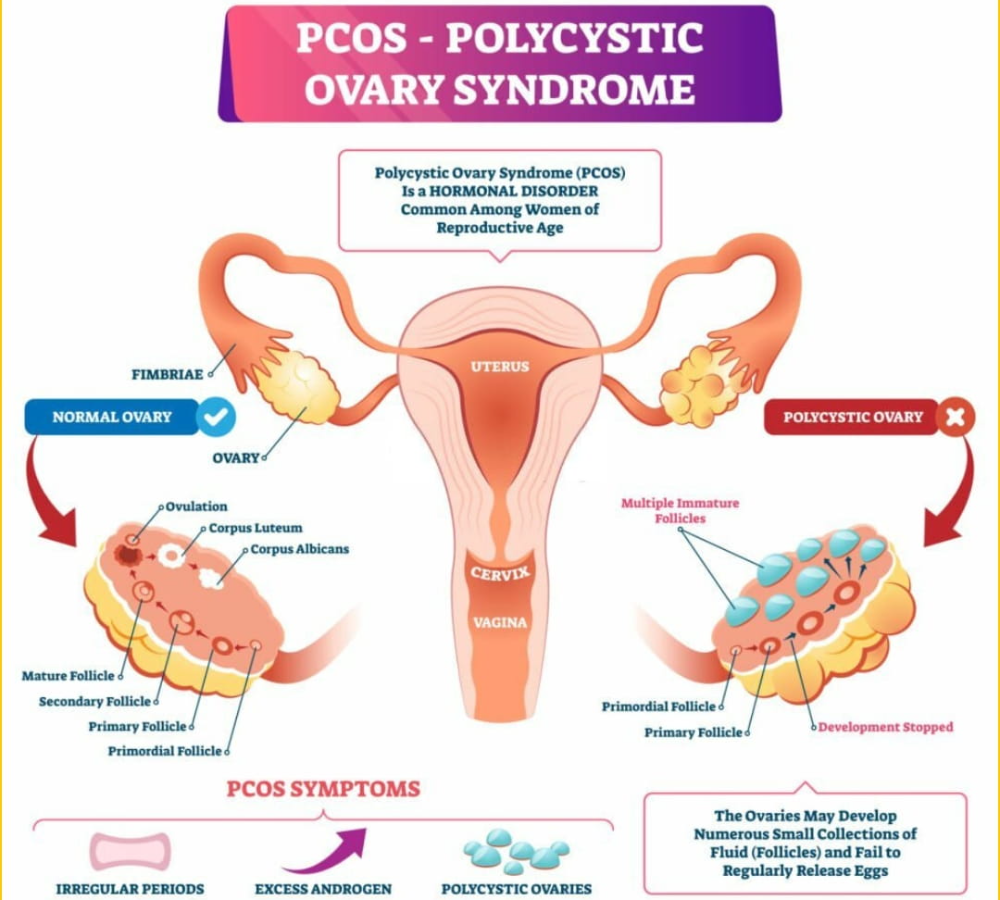
PCOS can be thought of as a hormonal disruption that causes your ovaries to not function normally. Like clockwork, your ovaries normally release an egg once a month. However, that rhythm is disrupted by PCOS.
The term “poly” in PCOS refers to a collection of little follicles that hang around on your ovaries and means “many.” These resemble little egg pockets that didn’t quite form properly; they are not harmful cysts. Additionally, your body produces more androgens—male hormones—than it should, which throws everything out of balance.
Because every woman’s experience is unique, the first sign many notice is that their periods start to play hard to get.
Internal Resource — PCOS Causes & Diagnosis: For a comprehensive understanding of what causes PCOS and how it’s diagnosed, see Getting to Know PCOS: What’s Behind It and How It’s Diagnosed .
PCOS vs Occasional Irregular Periods
Occasional irregular periods can happen due to stress, travel, or illness. However, PCOS-related irregular periods are typically persistent, unpredictable, and linked with symptoms like acne, excess hair growth, or difficulty ovulating. If irregular cycles last longer than three months, PCOS should be evaluated.
How PCOS Causes Irregular Periods
Your menstrual cycle is kind of like a delicate dance between hormones. When PCOS crashes the party, here’s what happens:
- Your insulin levels might spike, which in turn tells your ovaries to crank up the male hormones.
- Those extra hormones stop your eggs from maturing and being released like they normally would.
- Without that egg release, the lining in your uterus sticks around longer than it should, meaning your period can be late, irregular, or totally MIA.
- So yeah, PCOS isn’t just a “missed period” issue—it’s a hormone rollercoaster that can affect your whole system.
Symptoms of PCOS You Should Not Ignore
Apart from irregular or nonexistent periods, PCOS usually presents with the following symptoms:
- Phases that last for months at a time or come and go without warning.
- Your menstruation may feel heavier or linger longer than usual when it finally arrives.
- Extra hair development in places like the chin, chest, or back that you’d like keep hidden.
- Recurrent acne, especially in the jaw area.
- You’re eating a nutritious diet, yet you’re still struggling to lose weight.
- Your scalp may be experiencing spotty or thinning hair loss.
If any of this sounds familiar to you, it’s definitely worth talking to your doctor.
Cleveland Clinic — PCOS (Trusted Medical Source): For expert-reviewed information on PCOS symptoms, causes, and treatment options, see Cleveland Clinic — PCOS .
How Physicians Determine Whether It’s PCOS?
For PCOS, there isn’t a one miracle test. Rather, physicians solve puzzles like detectives:
- They will ask about your medical history and symptoms.
- Check your body for signs like extra hair or skin changes.
- Run blood tests to measure hormone levels.
- Use an ultrasound to peek at your ovaries and see if those little follicles are hanging out.
Usually, if you have at least two of the following—irregular ovulation, high androgen levels, or those follicles on your ovaries—they’ll call it PCOS.
Internal Resource — PCOS & Fertility Tips: If you’re trying to conceive with PCOS and want real insights that many women overlook, see Trying to Get Pregnant with PCOS? Here’s What I Wish More People Knew .
Treatment Options for PCOS and Irregular Periods
The good news is that there are several strategies to take control of PCOS, even though it can feel overwhelming.
Lifestyle Modifications
- To maintain stable blood sugar, concentrate on consuming full, unprocessed foods.
- Get exercising on a daily basis; even walks can be beneficial; it doesn’t have to be strenuous.
- Make sleep a priority and use stress-reduction strategies that are effective for you.
Medical Help
- Birth control pills often help even out your cycle and keep pesky hormones in check.
- One drug that can help your body use insulin more effectively is metformin.
- If you’re trying for a baby, fertility treatments might be an option.
Supplements
Some women find things like myo-inositol or vitamin D helpful, but always check with your doctor before diving in.
When Should You Get Checked Out?
If your periods are all over the place for a while, or you’re seeing other changes like unwanted hair growth or stubborn acne, don’t wait around. Early intervention reduces future complications, such as diabetes or heart problems.
✅ Pro Tip:
👉 If your periods are irregular due to PCOS, focus on stabilizing blood sugar first.
Balanced meals with adequate protein, fiber, and gentle daily movement often help regulate cycles more effectively than extreme dieting.
Concluding
Understanding PCOS can help you manage irregular periods, which can feel like a never-ending headache. You are not alone in this, and you can get your health back on track with the correct information and assistance.
Each woman’s experience with PCOS is unique. The most crucial thing is to listen to your body and get help when you need it.
Internal Resource — PCOS & Mental Health Support: For insights on managing anxiety, depression, and emotional well-being while living with PCOS, see PCOS and Mental Health: Managing Anxiety and Depression Without Losing Yourself .
FAQs
PCOS affects hormone levels, preventing regular ovulation, which disrupts the menstrual cycle and causes missed or delayed periods.
Other signs include acne, weight gain, excess facial hair, hair thinning, and difficulty getting pregnant.
Yes, many women with PCOS conceive with lifestyle changes or fertility treatments. Tracking ovulation is key.
Q4. How can I regulate my periods naturally with PCOS?
Healthy eating, exercise, stress reduction, and supplements like inositol can help support hormonal balance and regular cycles.
Author & Medical Disclaimer:
This article is written for informational purposes only and is not intended as medical advice.
The author is not a licensed medical professional. Polycystic Ovary Syndrome (PCOS) affects individuals differently,
and symptoms, diagnosis, and treatment options may vary. Always consult a qualified healthcare provider
before making changes to your diet, lifestyle, supplements, or medications.
