


So you have PCOS, and you’re pregnant. Congratulations first of all! Getting here might have been a mountain trek, or perhaps it was unexpected. Either way, you’re on this crazy, amazing, sometimes terrifying ride called pregnancy. And if you’re anything like me (or many other PCOS mamas), chances are you have some questions. What’s changed? What should I be on the lookout for? Am I going to struggle more with this?
Let’s do one trimester at a time. Because although PCOS may throw in some extra obstacles, it doesn’t mean your pregnancy can’t be healthy, happy, and yours.
First Trimester: The Rollercoaster Begins
Oh, the first trimester. Seeing those two pink lines appear is a surreal experience for the majority of PCOS-afflicted women. You may be ecstatic. You may be frightened. Most likely both. That’s okay. But let’s discuss what this phase could look like.
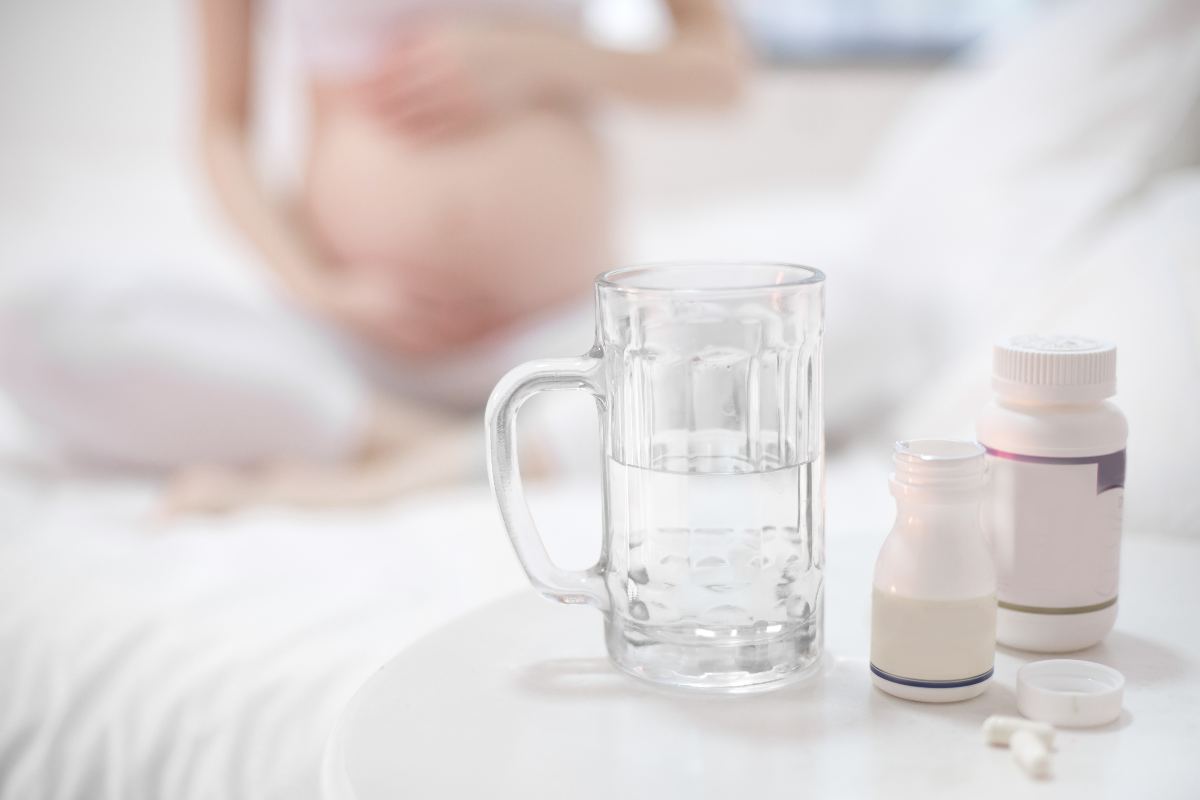
The better news? You’re here.
If you’ve been dealing with abnormal cycles or ovulation issues, pregnancy might have seemed like an unattainable goal at times. But here you are—proof that PCOS doesn’t mean you can’t carry a baby.
The fears (because they’re real)
Let’s not beat around the bush. PCOS can slightly increase the risk of early pregnancy complications—such as miscarriage or early loss. That’s partly because of hormonal imbalance or insulin resistance that sometimes accompanies PCOS. But don’t worry, before you go crazy: many women with PCOS have perfectly normal pregnancies. Close monitoring is key. Your doctor might check on progesterone levels or provide early ultrasounds to check how everything is progressing.
The queasiness, exhaustion, the works
PCOS doesn’t exempt you from traditional first-trimester symptoms. You may still struggle with morning sickness (or all-day sickness, as some call it). You could be tired—like, “can barely stay awake at 3 p.m.” tired. And if you’ve been taking medications such as metformin, you may need to discuss with your doctor whether you should stay on them or taper the dosage.
What works?
✨ Small frequent meals can ease nausea.
✨ Gentle movement—think short walks—may help balance blood sugar.
✨ Hydration, hydration, hydration.
✨ Advocate for yourself. If you’re worried, call your provider. No question is too small.
Second Trimester: The Sweet Spot (Maybe)
They refer to this as the “honeymoon trimester” for a reason. For most moms, the exhaustion goes away, the nausea dissipates, and that tiny bump begins to appear. But PCOS still has its presence in the background, so here’s what to remember.

Gestational diabetes risk
PCOS and insulin resistance often go together for most women. That is, your treatment team will most likely monitor your blood sugar levels. You may be screened for gestational diabetes a little earlier than other women (sometimes at 16–20 weeks rather than the usual 24–28). Is it frightening? Possibly a little. But finding it early allows you to get it under control—and many women do.
For a natural approach to supporting hormonal balance and fertility in PCOS, read Inositol and PCOS: A Natural Ally for Hormones and Fertility .
Gaining weight is a worry
Well, the dreaded subject. Pregnancy weight gain might seem so complicated when PCOS is present. The important thing to remember is that your body is doing an amazing feat. Let’s just focus on giving it healthy food. Work with your doctor or certified dietitian to develop a healthy, balanced diet that is tasty and makes you (and your baby) feel amazing, rather than worrying about the number on the scale at every appointment.
The delights of the second trimester
There are also joys. The first twitch stirrings. During that anatomy scan, you can see the baby’s little fingers, nose, and potentially even a tiny yawn on the screen. It’s captivating. Even if you’re still concerned, try to absorb it.
Third Trimester: The Homestretch and Near-Finish Line
You’re nearly there. Your body is working overtime throughout this trimester, and you may feel worn out, sore, and eager for it to end (though maybe a little nervous about what lies ahead).

Monitoring becomes more intense
Your doctor may advise more regular check-ins throughout the third trimester if you have PCOS. They will monitor the baby’s growth, look for indications of preeclampsia (high blood pressure), and, just to be safe, order a couple more ultrasounds. It’s to make sure everything continues on course, not to frighten you.
Planning a birth while having PCOS
Some PCOS-afflicted women may ultimately need an induction, typically as a result of problems like blood pressure or gestational diabetes. Others spontaneously enter labor. There is no one-size-fits-all method. The ideal plan is the one that protects both you and your child. Additionally, remember that it’s still birth regardless of how your kid arrives. It remains powerful. You still own it.
The sentimental aspect
At this stage, the realities of motherhood can be beginning to sink in. You can be experiencing a mixture of dread, joy, panic, and exhilaration. That’s typical. PCOS does more than just enter your body. It can also lead to a great deal of mental stress. Depend on your network of support. Let people help you. I know it’s easier said than done, but take a break when you can.
Small Things That Improve PCOS and Pregnancy Outcomes in Every Trimester
Stay involved with caregivers who listen to you. Speak up if anything doesn’t feel right.
Moderate exercise has an impact. Stretching, yoga for pregnant women, walking—do whatever feels good.
Don’t work alone. PCOS pregnancy support groups are available and can be a lifesaver.
Treat yourself with kindness. You’ll feel like you’ve got this on some days. You won’t on some days. They’re both OK.
Quick Trimester Summary Table
| Trimester | Common Symptoms | Helpful Essentials | When Extra Care Is Needed |
|---|---|---|---|
| First Trimester (0–12 Weeks) | Morning sickness, fatigue, mood swings, breast tenderness | Prenatal vitamins, nausea relief snacks, hydration, early prenatal checkups | Severe vomiting, heavy bleeding, high fever, or intense abdominal pain |
| Second Trimester (13–27 Weeks) | Increased energy, baby movement, mild swelling, back pain | Comfortable maternity wear, pregnancy pillow, balanced nutrition, gentle exercise | Sudden swelling, severe headaches, vision problems, reduced baby movement |
| Third Trimester (28–40 Weeks) | Shortness of breath, heartburn, frequent urination, Braxton Hicks contractions | Hospital bag preparation, birth plan, regular prenatal visits, rest support | Regular painful contractions, water breaking, heavy bleeding, decreased baby movement |
🚨 When to contact your physician if you have polycystic ovarian syndrome while pregnant
Even though many PCOS-afflicted women have safe pregnancies, there are some signs that should never be disregarded. If you observe any of the following warning indicators, get in touch with your healthcare provider right away:
- Vaginal bleeding or severe abdominal pain especially during the first three months , months of pregnancy
- Severe persistent headache blurred vision or sudden swelling of the face hands or feet (possible signs of preeclampsia)
- A decrease in the baby’s movements during the third trimester of pregnancy, or a rapid, abrupt change
- Extreme nausea or vomiting that keeps you from consuming food or liquids
- Abrupt weight increase or unusual dyspnea
- Blood sugar levels that are extremely high or unstable (if you have gestational diabetes)
Have faith in your intuition. Really, it’s fine to call your doctor or a birth attendant if something seems out of the ordinary or worrisome. You and your unborn child can be protected and issues can be avoided with early medical attention.
Real Voices, Real Moms
I reached out to a few women who were kind enough to give me a peek into their experiences with PCOS during pregnancy:
Fatima’s story: “I was really scared in the first trimester. I had already experienced two early miscarriages. However, I was under more observation with my daughter, which gave me more confidence. Every milestone seemed monumental: the first kicks, the first pulse. She is now nearly three. I am extremely grateful.
Sara’s experience: At first, I was quite critical of myself for having gestational diabetes. I had the impression that I had done something wrong. However, it wasn’t as bad as I had imagined to take care of it. My son was born healthily after I discovered what foods were healthy for me. That’s what matters.
The experience of Nadia: I was induced at 39 weeks due to excessive blood pressure. It was a beautiful birth, but not the type I had imagined. My kid arrived loved and safe. I only need to know that.
If you have PCOS and are pregnant, keep a simple weekly health tracker. Record your blood sugar readings (if advised), energy levels, fetal movement patterns, weight changes, and any unusual symptoms like swelling or headaches. This small habit helps you notice early changes, supports better communication with your doctor, and gives you a stronger sense of control throughout each trimester.
The Takeaway
Your pregnancy may be colored by PCOS, but it won’t be determined by it. There will be surprises, highs, and lows in every trimester. There might be more appointments. More tests. More anxiousness, maybe. And joy, too. Little motions. On a screen, a heartbeat whooshes. The quiet times when you feel like you and this tiny creature inside of you are on the same wavelength.
What I want you to keep in mind if you’re on this path is that you are capable. You have strength. And you’re doing something beautiful and courageous.
Concluding remarks
It’s acceptable for pregnancy with PCOS to feel like an emotional rollercoaster. The key is support: quality medical treatment, a support system, and self-compassion when things go tough.
You’ve got this. One breath, one day, one trimester at a time.
Medical References
- National Health Service (NHS): PCOS and pregnancy guidance
- American College of Obstetricians and Gynecologists (ACOG): PCOS FAQs
- ACOG: Gestational Diabetes Guidelines
FAQs:
Yes, PCOS often affects ovulation, which can make conception more difficult. However, many women with PCOS do conceive naturally or with the help of fertility treatments.
Absolutely. With the right medical care, many women with PCOS have healthy pregnancies. However, they may need closer monitoring during each trimester
In the first trimester, miscarriage risk is slightly higher with PCOS. Therefore, early prenatal visits and hormonal support can be important.
The second trimester is often more stable. However, insulin resistance may increase, making it important to manage your diet and glucose levels.
Women with PCOS may experience increased swelling, weight gain, or high blood pressure in the third trimester. As a result, regular checkups are essential.
Yes, PCOS increases insulin resistance, which may raise your risk. Therefore, glucose screening and lifestyle changes are often recommended.
About the Author & Medical Disclaimer
Jennyjee is a maternal health and women’s wellness writer focused on pregnancy, fertility, PCOS, and hormonal health education. Her content is based on research from reputable medical organizations and clinical sources to provide supportive, easy-to-understand guidance for women.
This article is intended for informational purposes only and does not replace professional medical advice, diagnosis, or treatment. Always consult a qualified healthcare provider regarding any pregnancy or PCOS-related concerns.

1 Comment
54lh68